
Getting Your Austin Property Ready For Termite Season
Swarm timing, the signs of an active colony, and the prep that keeps termites from settling in.
Read post →Spring in Central Texas means warmer days, more rain, and the start of termite swarm season. For Austin-area homeowners and business owners, this is the single most important stretch of the year to think about termite protection, because colonies are expanding and scouting for new places to settle, including the wood in your walls. Catch the season early with a plan and you protect the property before damage starts. Here is what to watch for, which treatments actually work here, and why the calendar matters.
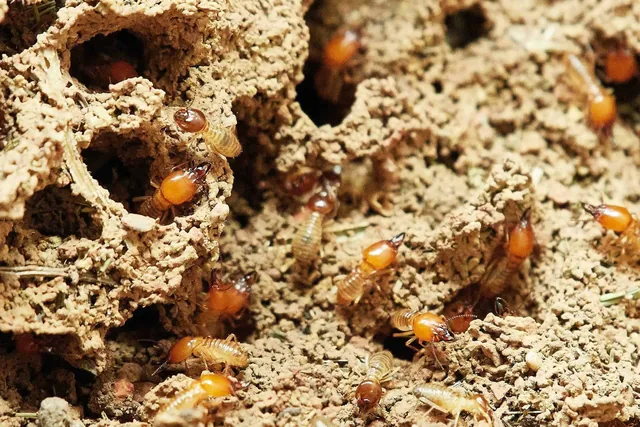
Early detection decides everything with termites. A colony can feed quietly for years before anything shows on the surface, so by the time damage is visible, the problem is rarely new. Watch for these warning signs around your home or business:
Any one of these is reason enough to bring in a licensed exterminator in Austin, TX right away. Our termite field guide digs into these signs in more detail.
There is no single treatment that fits every property. The right approach depends on the termite species involved, how far the infestation has spread, and how the building is constructed. These are the options used most across Austin and Central Texas:
| Treatment | How it works | Best for |
|---|---|---|
| Liquid soil treatment | Termiticide applied around the perimeter creates a treated zone that kills termites on contact and disrupts colony activity | Active infestations; long-lasting protection |
| Bait system | Stations placed around the property; foraging termites carry the bait back and the colony declines over time | Long-term monitoring and prevention |
| Combination plan | Liquid treatment handles the active colony while bait stations watch for new activity | Severe or recurring pressure |
| Physical barriers | Foundation-level barriers and sealants that block entry points, applied during construction or renovation | New builds and major remodels |
Every option on that table calls for professional installation by a licensed company that knows the termite species active in Central Texas. Our liquid treatments use Termidor, the number one conventional termite treatment in the U.S.. The full lineup lives on our Austin termite control page.
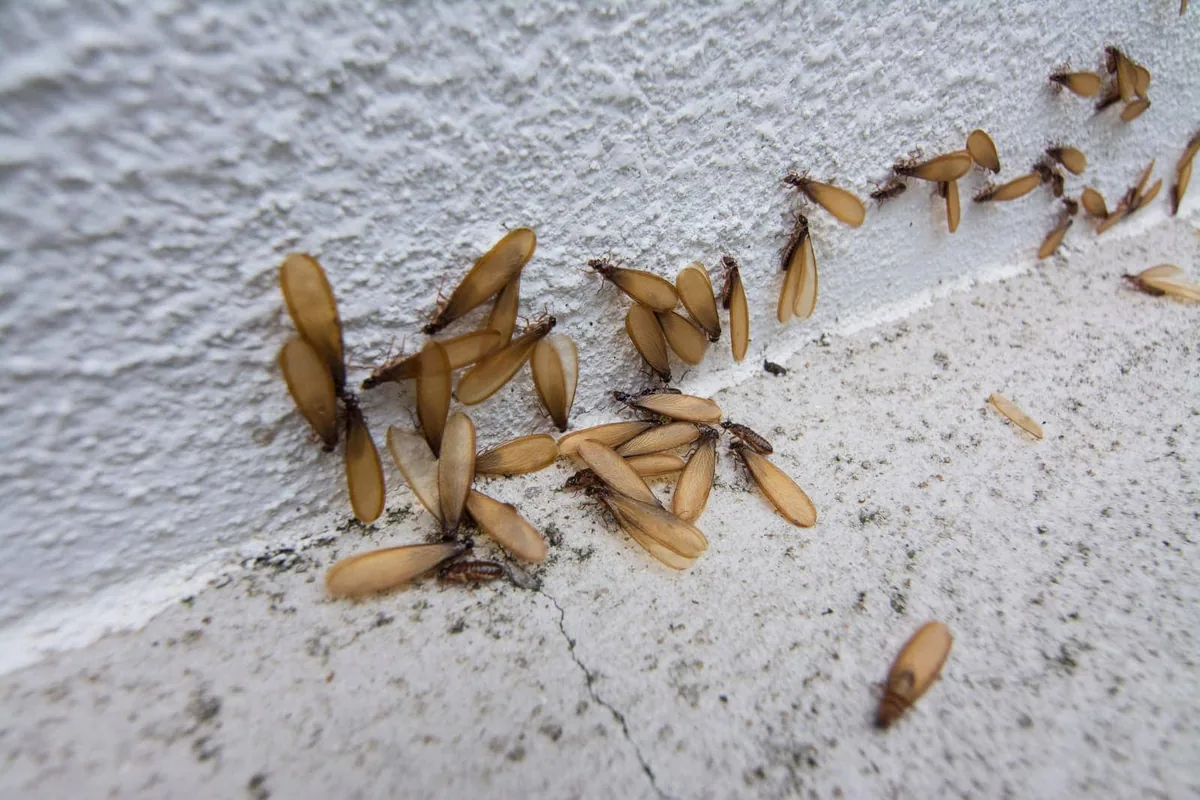
Termite swarmers emerge when conditions turn warm and humid, which is exactly what an Austin spring delivers on schedule. Swarming means colonies are actively growing and sending out reproductives to start new nests, and every structure with wood in it is a candidate.
An inspection early in the season gives you the best odds of catching activity before it reaches structural wood. The cadence we recommend:
Finding a problem early keeps treatment costs down and, more importantly, heads off the far larger bill for repairing structural damage.
Professional treatment is the reliable backbone, but the habits below make your property a much harder target in the first place:
None of this replaces a treatment plan, but together these habits strip away the moisture and food conditions termites depend on. The full playbook is in our termite prevention guide.
Waiting for visible damage means paying for it. Accurate Termite and Pest Control has protected Austin-area homes for over 25 years, with technicians licensed by the Texas Structural Pest Control Board who know the local species, the treatments that hold up in Central Texas conditions, and how to build a plan around your property and budget.
Whether you need a routine spring inspection, treatment for an active colony, or long-term prevention, our home pest control services and commercial pest control options cover both sides of the fence line.
Contact us today or call (512) 267-0812 to schedule your free termite inspection.
Quick answers
It depends on the size of the home, the treatment type, and how far any infestation has progressed. Liquid treatments and bait systems are priced differently, and combination plans cost more up front while delivering broader protection. The constant across all of them: catching termites early is dramatically cheaper than treating a mature colony and repairing the damage it left behind. An inspection settles what your property actually needs.
Yes. The warm climate and humidity across Austin and the surrounding Hill Country create conditions subterranean termites thrive in, and they are the most destructive termite species in the United States. Homeowners in Cedar Park, Leander, Round Rock, Lago Vista, and the surrounding communities all face the same regional pressure.
Liquid termiticide treatments typically stay effective for 5 or more years, depending on soil conditions and the product used. Bait systems protect for as long as they are monitored and maintained, which is exactly why a regular inspection schedule matters. Your technician can set the right cadence based on the property’s history and risk level.
Both swarm in spring and get confused constantly. A termite swarmer shows a thick waistline, straight antennae, and two pairs of wings that match in length they shed soon after landing. Flying ants have elbowed antennae, a pinched waist, and front wings noticeably longer than the rear pair. If you see swarmers and cannot tell which you have, call a professional rather than guessing; misreading a termite swarm is an expensive mistake.
Yes. We serve homes and businesses across the greater Austin metro, including Cedar Park, Leander, Lago Vista, Round Rock, Jonestown, Liberty Hill, and Georgetown. Our service area page lists every community we cover.
More posts
Swarm timing, the signs of an active colony, and the prep that keeps termites from settling in.
Read post →
Termites can quietly drain the value of an Austin property. What buyers, sellers, and homeowners need to know about inspections, treatment, and prevention.
Read post →
Vinegar, orange oil, and store-bought sprays all fail the same way. What to skip and what actually prevents termites.
Read post →If you’re dealing with termites, rodents, or ongoing pest issues, our team is here to help. Call today to schedule an inspection or get a free estimate.