
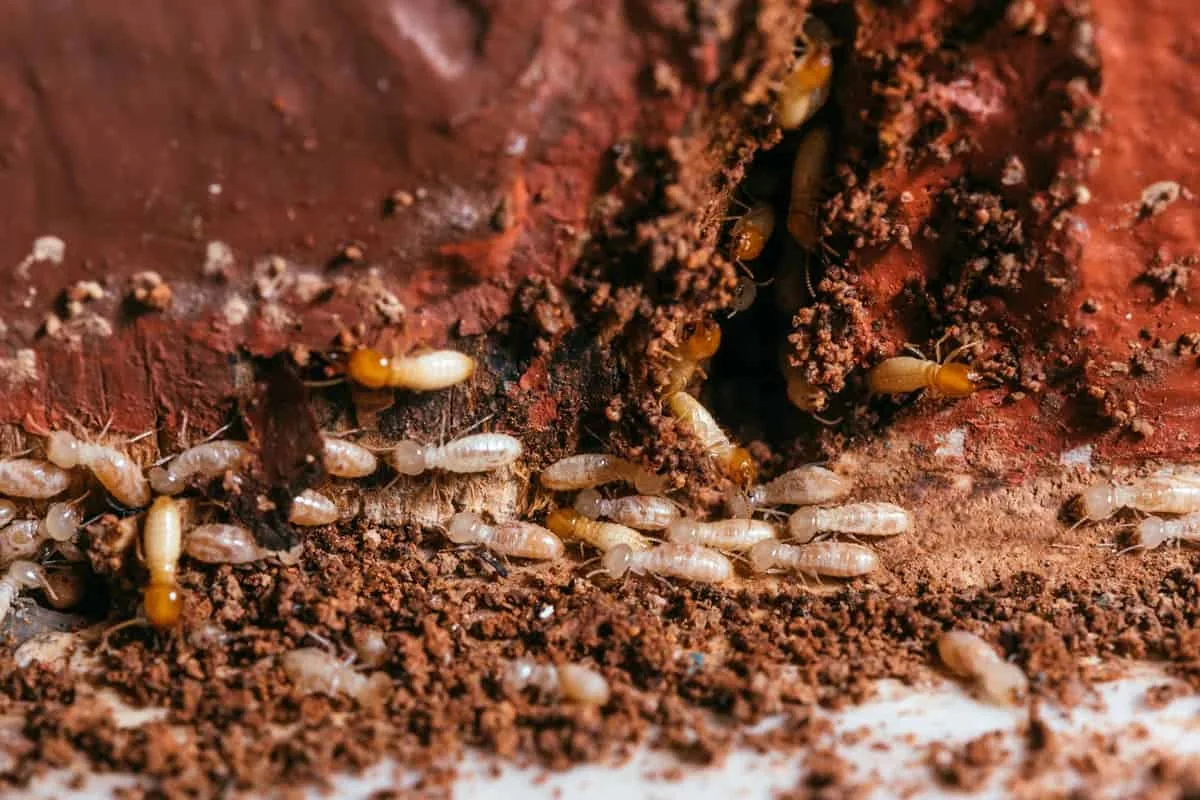
What Not To Do About Termites On Your Austin Property
Vinegar, orange oil, and store-bought sprays all fail the same way. What to skip and what actually prevents termites.
Read post →Every year termites rack up billions of dollars in structural damage nationwide, and Austin sits squarely in their territory. The warm, humid conditions of Central Texas suit subterranean termites perfectly, and they can work silently inside walls and foundations for years before anything visible gives them away. The good news: proactive steps genuinely move the odds. Here are the five most effective termite prevention strategies for Austin and Central Texas homes, plus what to do when prevention alone is not enough.
Nothing draws termites like water. Texas subterranean termites, the species behind most of the damage here, cannot keep a colony alive without a steady moisture source, so drying up the excess around your house takes away something they cannot replace. The checklist:
Termites follow wood, warmth, and moisture. Change the environment around the house and you remove the conditions they need to establish nearby:
A chemical barrier is about as dependable as termite protection gets. A liquid termiticide goes into the soil around the foundation and forms a treated zone: termites that cross it die on contact, and colony activity gets disrupted before it can reach the house itself. Worth knowing:
Our Austin termite control page walks through the full treatment lineup.
Termites earn the nickname silent destroyers honestly. They can hollow out wooden structures for years with no outward sign, and by the time something looks wrong, the repair bill has already grown. A sensible inspection schedule looks like this:
Early detection is the cheapest termite treatment there is. The termite pest library shows what to look for between visits.
Good habits lower the odds, but termites still slip through sometimes. Knowing the signs lets you act before the damage gets severe:
| Warning sign | What it looks like |
|---|---|
| Mud tubes | Pencil-width earthen tunnels on foundation walls, baseboards, or crawl space supports |
| Hollow wood | Wood that sounds papery or different when tapped |
| Swarmers | Winged termites emerging in spring, often near light sources |
| Discarded wings | Piles of shed wings near windowsills and doorways after a swarm |
| Bubbling paint | Paint that looks water-damaged with no obvious moisture source |
Spot any of these and the next call should be to a licensed exterminator in Austin, TX. Our termite field guide covers these signs in more detail.
None of this damage is inevitable. The right combination of moisture control, environmental changes, barrier treatments, and regular professional inspections keeps one of Central Texas’s most destructive pests away from your biggest investment.
For over 25 years, Accurate Termite and Pest Control has kept homes and businesses around Austin free of termites, pairing current detection tools and treatment methods with a plan built around each property and how much risk it carries. We serve Austin, Cedar Park, Leander, Lago Vista, Round Rock, Liberty Hill, Georgetown, and the surrounding communities; our service area page has the full list, and our home pest control plans cover the year-round side.
Get in touch or call (512) 267-0812 and we will get your free termite inspection on the calendar.
Quick answers
Termite swarmers get mistaken for flying ants constantly. Look closely and the differences show. A termite swarmer carries two pairs of wings of matching length that drop off soon after the flight, plus straight beaded antennae and a thick waistline. A winged ant shows the opposite: bent antennae, a narrow pinched waist, and front wings longer than the back pair. Shed wings or live swarmers showing up indoors in spring point to termites, and that is the moment to book an inspection.
A mature colony never stops eating. Give it months or years and that steady feeding turns into real structural trouble: weakened wall studs, floor joists, and in the worst cases the beams holding the house up. Homeowners routinely spend thousands of dollars on termite-related repairs, and standard homeowner’s insurance typically covers none of it. Prevention and early detection cost far less than the repair bill.
No part of the Austin metro is termite-free, but risk climbs for homes close to creeks, greenbelts, and anywhere moisture lingers. The Hill Country corridor, along with Leander, Cedar Park, and Lago Vista, tends to see the heaviest activity because dense tree cover, rocky ground, and warm weather all overlap there. If your home sits in one of those zones, a regular inspection schedule earns its keep.
For most homeowners here, the math works. A protection plan usually bundles a yearly inspection with warranty coverage on the treatment itself, so the protection runs continuously instead of being bought one emergency at a time. Compare that to paying separately for treatments and repairs once damage shows up, and the plan wins comfortably.
It varies with the home’s size and the method. Plan on 30 to 90 minutes for a proper inspection. For the typical home a liquid barrier goes in within a few hours; bait systems install faster on day one but come with monitoring visits afterward. Your technician will lay out the full timeline before treatment begins, and our FAQ page covers more details.
More posts
Vinegar, orange oil, and store-bought sprays all fail the same way. What to skip and what actually prevents termites.
Read post →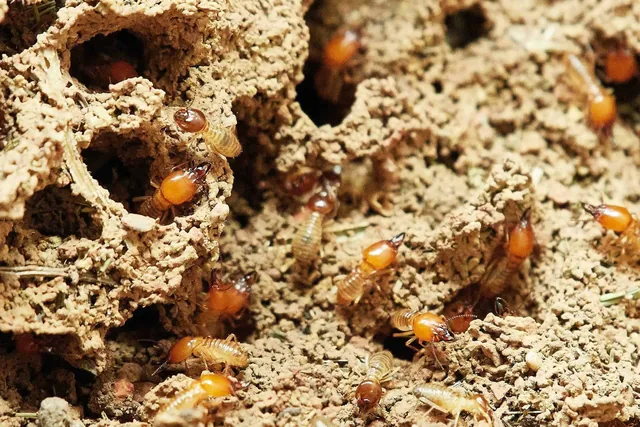
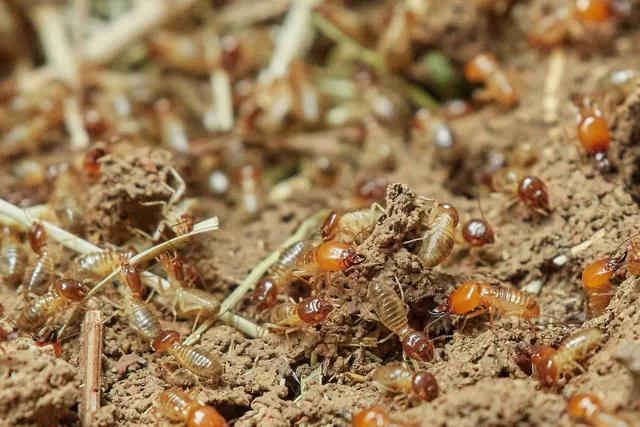
Swarm timing, the signs of an active colony, and the prep that keeps termites from settling in.
Read post →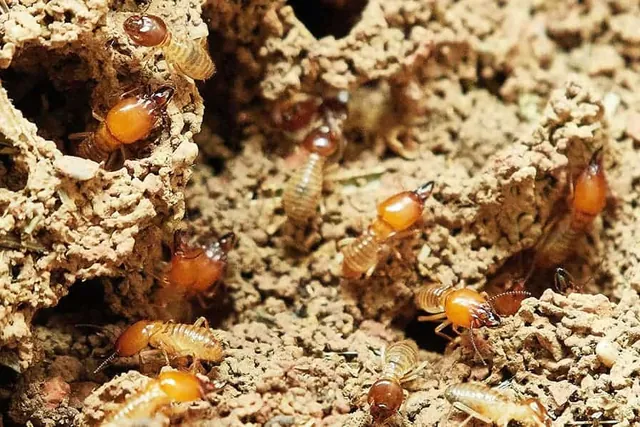
Termites can quietly drain the value of an Austin property. What buyers, sellers, and homeowners need to know about inspections, treatment, and prevention.
Read post →If you’re dealing with termites, rodents, or ongoing pest issues, our team is here to help. Call today to schedule an inspection or get a free estimate.