What Are the Best Termite Prevention Tips in Austin?
Moisture control, smarter landscaping, barrier treatments, and regular inspections: the five termite prevention strategies that protect Austin homes.
Read post →How to spot subterranean termites before they hollow out your framing, from the company with termite control in its name, since 2000.
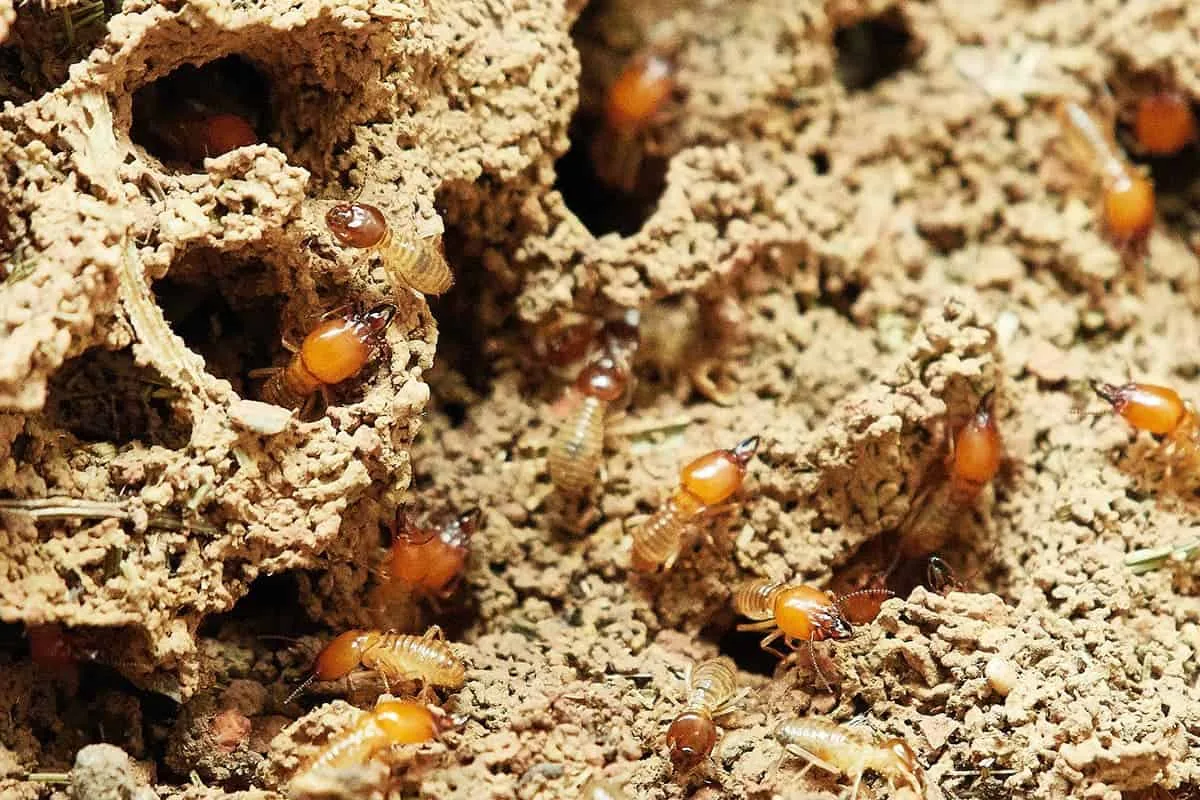
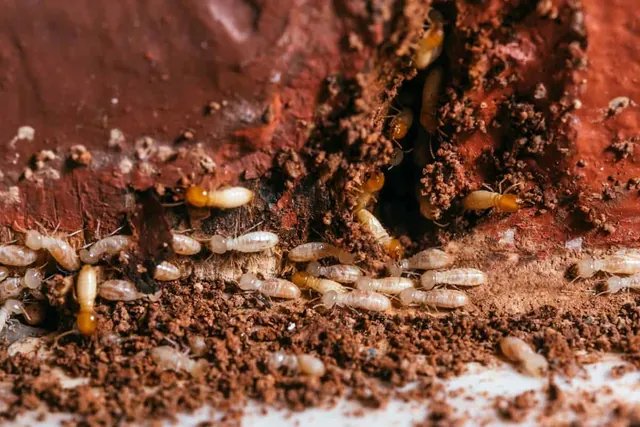
A termite is a small social insect, and a colony of them is a cellulose-eating machine: wood, paper, cardboard, any plant material will do. People mix them up with ants constantly, but genetically they are closer to cockroaches. Several species live in Texas; the one that matters most to a Central Texas homeowner is the subterranean termite, and in particular the Formosan subterranean termite, one of the most destructive termite species anywhere.
Subterranean colonies live underground and can run to hundreds of thousands of individuals. To travel between the nest and the wood they are eating without drying out, they build mud tubes: narrow soil tunnels running up foundations and piers. In the Austin area's mild climate the colonies never really shut down, which means they can be feeding on a house every month of the year, quietly, long before anything shows on the surface.
Not to your body. Termites do not sting people, bite people, or spread disease. Your house is another matter. Termites do an estimated five billion dollars in property damage across the U.S. every year, and standard homeowners insurance almost never covers a dime of it.
The real problem is how quietly they work. A colony feeds inside walls, floors, and beams where you cannot see it, and infestations routinely run for years before anyone notices. By the time damage is visible, it is usually extensive and expensive. In Central Texas, where subterranean pressure is high and colonies stay active year-round, regular inspections and preventive treatment are not a nice-to-have. They are how you keep a repair bill from finding you.
Because you own a building in Central Texas. Subterranean termites live in the soil across essentially this whole region, and their workers forage outward in every direction, all the time. When a foraging trail hits wood at or near the ground, framing, a crawl space, a deck post, the colony starts feeding and builds a supply line that can eventually feed the whole nest.
Some properties make it easier: wood touching soil, moisture problems like leaky pipes or bad drainage, mulch piled against the foundation, and cracks in the slab or foundation walls that hand termites a direct route to the structure. New developments are not exempt either. The colonies that lived on that land before construction are still in the soil after the houses go up.
Mostly, you will not, and that is the problem. Subterranean termites avoid open air, which is why professional inspections matter. The sign they cannot hide is their mud tubes: pencil-width tunnels of soil and saliva running up foundation walls and piers between the ground and the wood they are eating.
Inside a house, damage concentrates in crawl spaces, at the base of interior walls, under flooring, inside wall voids, and in the framing around windows and doors. Suspect wood sounds hollow when you knock on it and looks honeycombed if you open it up. And each spring in Central Texas, mature colonies send out swarmers, winged reproductives that fly off to start new colonies. Finding swarmers or piles of shed wings around windows, doors, and light fixtures is one of the clearest signs there is an active colony in or near the house.
This is not a DIY category. A subterranean colony is large, complicated, and underground, and store-bought sprays kill only the individual termites they touch while the colony keeps chewing. Real termite control targets the colony itself, through a liquid termiticide barrier, a baiting system, or both, depending on where the activity is and how bad it is. We treat with Termidor, the #1 conventional termite treatment in the U.S.
Termite control is literally the first thing in our name. Accurate Termite and Pest Control has protected homes across Cedar Park, Leander, Austin, and greater Central Texas for over 25 years with thorough inspections, targeted treatment plans, and ongoing monitoring. The earlier a colony is found, the less it costs you, so if anything on this page sounds familiar, get in touch about termite control in Leander or termite control in Austin and book a free inspection.
You cannot remove termites from Texas soil, but you can make your house a much harder target. Our techs recommend:
You can also read about our home pest control and commercial pest control programs.
Keep learning
Moisture control, smarter landscaping, barrier treatments, and regular inspections: the five termite prevention strategies that protect Austin homes.
Read post →
Swarm timing, the signs of an active colony, and the prep that keeps termites from settling in.
Read post →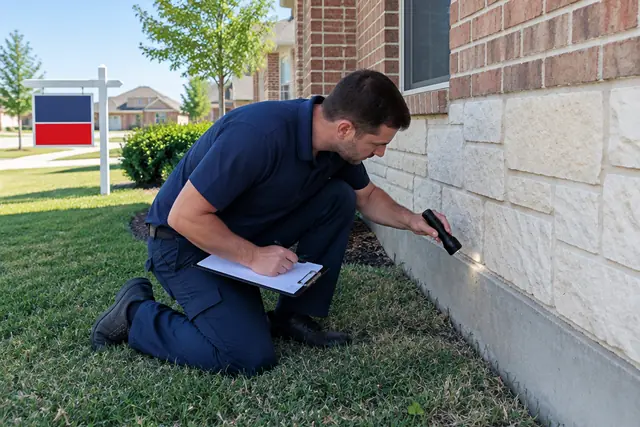
Inspections, Termidor treatments, and monitoring from the company that put termites in its name.
See the service →Free estimate
Whether by phone or by filling out our appointment form, we will help answer your questions, provide you with a free estimate, or get you scheduled for the services you need.
If you’re dealing with termites, rodents, or ongoing pest issues, our team is here to help. Call today to schedule an inspection or get a free estimate.