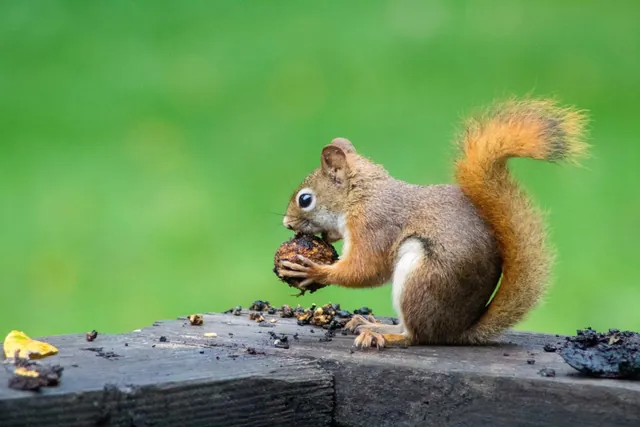
The Problem With Squirrels Hanging Around Your Austin Property
Why the squirrels in the oaks end up in the attic, and what they chew on once they get there.
Read post →The raccoons, squirrels, and other animals that move into Central Texas attics and yards, what they damage, and how we get them out humanely, since 2000.
Nuisance wildlife means wild animals living close enough to people to cause damage, health risks, or safety problems around a home or business. Unlike the insects and arachnids on the rest of this list, these are vertebrates: mammals, birds, and reptiles that have figured out suburban life suits them fine.
In Central Texas the usual suspects are raccoons, opossums, squirrels, armadillos, skunks, snakes, and birds like pigeons and starlings. As development across Cedar Park, Leander, and greater Austin eats into their habitat, these animals land in neighborhoods where food, water, and shelter are easy pickings. One sighting is no big deal. An animal deciding your attic or crawl space is home is a different story, and it happens fast.
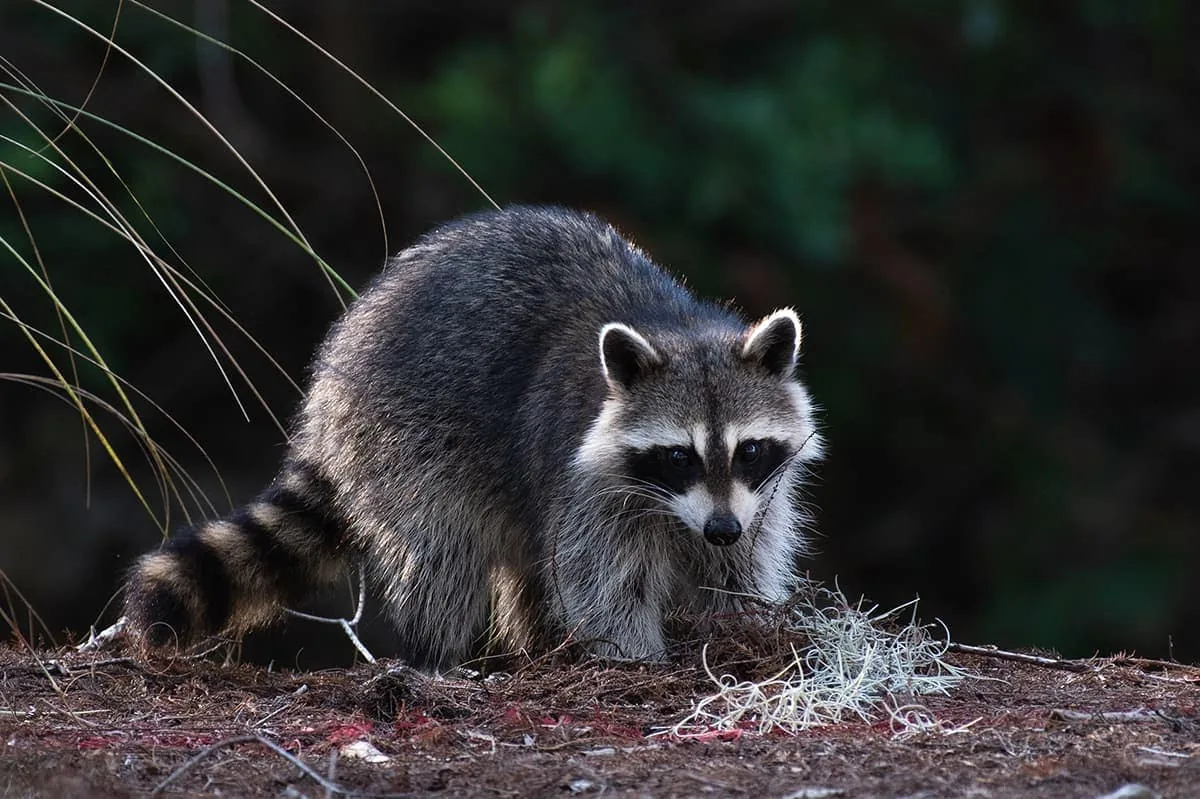
It depends on the animal, but the risks are real. Raccoons top the list: they are a primary rabies carrier in Texas and can also spread canine distemper, leptospirosis, and raccoon roundworm, a parasite whose eggs survive in soil for years and can infect people and pets. Opossums rarely start trouble, but they haul impressive numbers of fleas and ticks through your yard and can carry leptospirosis themselves.
Squirrels in an attic are a genuine fire hazard. They gnaw nonstop, wiring included, and pack the space with flammable nesting material. Skunks bring the obvious problem, and their spray is brutally hard to get out of a dog or anything else it lands on. Most snakes are actually working for you, eating rodents and insects, but a western diamondback, copperhead, or cottonmouth near the house changes the math. And any wild animal, venomous or not, will bite and scratch when cornered. A bite from any of them deserves prompt medical attention.
Same three reasons as every other pest: food, water, shelter. Unsecured trash cans, pet food left on the porch, bird feeders, gardens, fruit trees, and compost piles all feed wildlife reliably. Once an animal learns your property pays off, it comes back on schedule and starts shopping for a den site nearby.
Central Texas development keeps pushing animals out of the greenbelts and into the streets, and homes backing creek corridors, cedar breaks, or undeveloped land feel it most. Attics, crawl spaces, wall voids, and the dead space under decks and porches offer warmth, safety from predators, and a good spot to raise a litter. To a displaced raccoon, that is exactly what home looks like.
Each species has its preferred spots. Raccoons den in attics, chimneys, crawl spaces, and under decks, and they are strong enough to rip through roof vents, soffits, and soft fascia boards to get in. Squirrels use gaps at the roofline, damaged soffits, and utility line entries, and the first clue is usually scratching and scampering overhead around dawn. Our attic noise guide sorts the animals by sound and time of day.
Opossums and skunks stay at ground level, denning beneath decks, porches, and sheds or in heavy vegetation along fence lines. Armadillos dig, tearing up lawns and tunneling near foundations after grubs. Snakes hold to tall grass, brush piles, woodpiles, and rock walls, though they occasionally follow rodents or cool air into a structure through gaps at grade. Pigeons and starlings take the gutters, eaves, open vents, and the ledges and signage on commercial buildings.
Wildlife is a different job than bug work. Plenty of Texas species are covered by state and federal rules about how and when they can be trapped or relocated, so professional handling is often a legal matter, not just a safety one. It is also genuinely risky work: a cornered animal defends itself, and a mother with young in the nest will come at you even if her species is normally shy.
Done right, wildlife control means humane trapping and removal, exclusion work that seals the openings the animal used, cleanup and sanitizing of the contaminated nesting area, and follow-up to confirm nothing moved back in. Accurate Termite and Pest Control has spent over 25 years resolving wildlife problems across Cedar Park, Leander, Austin, and greater Central Texas. Our wildlife control services remove the animal humanely, repair what it broke, and close the door behind it. Reach out for a free estimate.
Most wildlife problems start with an easy meal or an open door. Here is what our techs tell Central Texas homeowners:
You can also read about our home pest control and commercial pest control programs.
Keep learning
Why the squirrels in the oaks end up in the attic, and what they chew on once they get there.
Read post →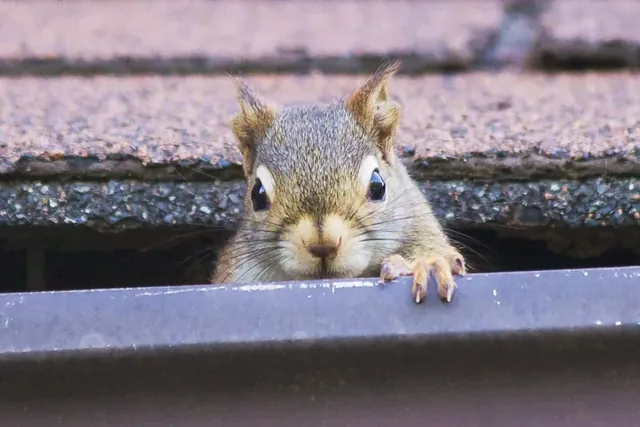
What humane removal and exclusion actually involve, and why DIY trapping usually backfires.
Read post →
Humane trapping, exclusion, and cleanup for raccoons, squirrels, and the rest of the Central Texas lineup.
See the service →Free estimate
Whether by phone or by filling out our appointment form, we will help answer your questions, provide you with a free estimate, or get you scheduled for the services you need.
If you’re dealing with termites, rodents, or ongoing pest issues, our team is here to help. Call today to schedule an inspection or get a free estimate.