7 Common Pests Found in Austin and How To Identify Them
A field guide to the neighbors: what is crawling through Central Texas homes and how to tell them apart.
Read post →Which Central Texas spiders are harmless, which two you should take seriously, and how to keep all of them outside, since 2000.
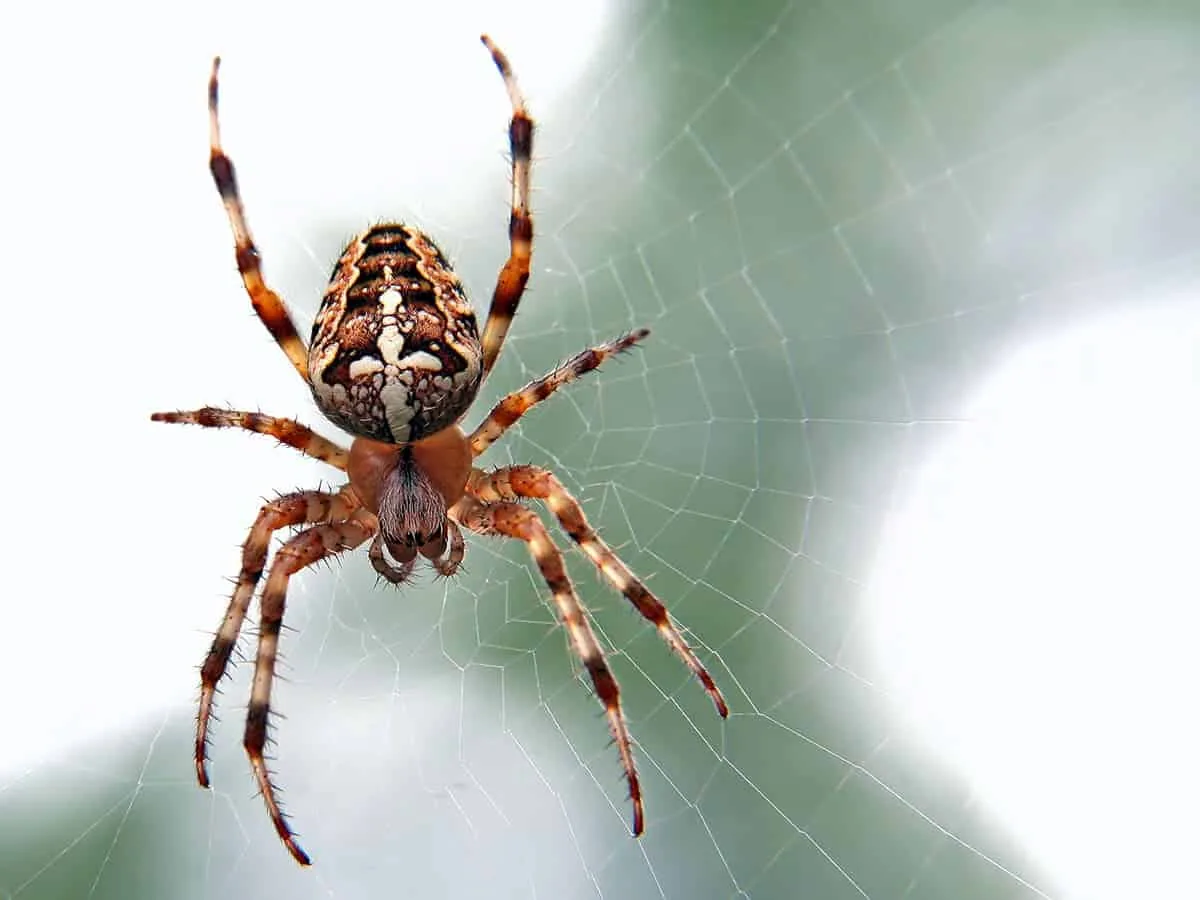
Spiders are arachnids, same class as scorpions, ticks, and mites: two body segments, eight legs, no wings, no antennae. Every spider makes silk, whether it uses it for webs, egg sacs, or lining a burrow. And none of them chew. A spider injects venom to stop its prey, then digestive fluids to liquefy it before feeding.
Texas hosts thousands of spider species, but around Central Texas homes the regulars are the black widow, brown recluse, wolf spider, cellar spider, and jumping spider. Most of them are harmless and honestly useful, since their whole job is eating other insects. Two of them, though, deserve real caution, and it pays to know which is which.
The overwhelming majority of spiders you will meet around an Austin-area home are shy, non-aggressive, and medically irrelevant. Two exceptions. The black widow ranks among the most venomous spiders in North America; its neurotoxic venom can cause severe muscle pain, cramping, and nausea, with kids and older adults at higher risk of serious reactions.
The brown recluse is the other one. Its venom is cytotoxic, meaning it kills tissue around the bite, and a recluse bite can turn into a slow-healing necrotic wound that needs medical care. Neither spider is looking for a fight. Bites almost always happen when one gets pressed against skin, in a stored boot, a folded shirt, a woodpile glove. If you believe either species bit you, get medical attention promptly. For the full picture, including the six-eye test that separates a recluse from its look-alikes, see our guide to brown recluse spiders in Texas.
Spiders are predators, so they set up wherever the hunting is good. Lots of insects around your home, drawn by outdoor lighting, moisture, or anything else, means spiders will follow. They come in through gaps at doors, windows, utility lines, and foundation cracks, or hitch a ride on firewood, boxes, potted plants, and patio furniture.
Central Texas keeps insects active nearly year-round, which keeps spiders fed year-round. Homes near woods, creek beds, and native vegetation see the most activity because the hunting grounds are right there. And when temperatures drop in fall, spiders start moving indoors for warmth, which is exactly when most homeowners suddenly notice them everywhere.
Outdoors: gardens, fence lines, under eaves and overhangs, in woodpiles, and through dense shrubs and ground cover. Indoors they pick quiet, dark spots along insect routes: room corners up at the ceiling line, plus closets, attics, garages, crawl spaces, and basements.
The two dangerous species have their own habits. Black widows favor sheltered outdoor spots: under rocks, in woodpiles, garage corners, around outdoor furniture. Brown recluses prefer dry, undisturbed places indoors, which in practice means cardboard boxes, cluttered storage, shoes, and clothing that sits folded in a closet. Wolf spiders skip webs entirely and hunt on foot, which is why you see them sprinting across the garage floor and along baseboards.
Spider control that works has two halves: the spiders, and the insect population feeding them. Knock down webs, seal the entry gaps, and treat the routes and hiding spots, but if the bug buffet stays open, new spiders keep arriving. A can of store-bought spray drops the one spider you can see and does nothing about the fifty you cannot.
Accurate Termite and Pest Control has managed spider populations for Cedar Park, Leander, and Austin homeowners for over 25 years, covering both the dangerous species and the merely unwelcome ones, while our broader treatment programs cut off the insect supply that attracts them. Get in touch about our home pest control services and get a free estimate.
Keeping spiders out is mostly about entry points, hiding spots, and their food supply. Our techs recommend:
You can also read about our home pest control and commercial pest control programs.
Keep learning
A field guide to the neighbors: what is crawling through Central Texas homes and how to tell them apart.
Read post →
The full lineup of local pest pressure, from kitchens to commercial kitchens.
Read post →
Recurring protection that covers spiders and the insects they follow inside.
See the service →Free estimate
Whether by phone or by filling out our appointment form, we will help answer your questions, provide you with a free estimate, or get you scheduled for the services you need.
If you’re dealing with termites, rodents, or ongoing pest issues, our team is here to help. Call today to schedule an inspection or get a free estimate.