What You Should Know About Rats in Austin
Roof rats versus Norway rats, and what each one is doing in a Central Texas house.
Read post →House mice, Norway rats, and roof rats: how to tell them apart, the signs they leave, and how we seal them out for good, since 2000.

Rodents are mammals built around one feature: a single pair of incisors in each jaw that never stops growing, which forces them to gnaw constantly to keep the teeth worn down. That gnawing habit is exactly why they are so destructive in a house. They are also one of the largest mammal groups on the planet, living everywhere except Antarctica.
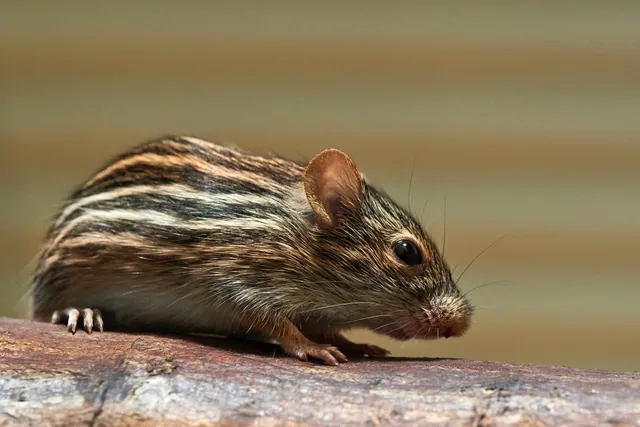
Around Central Texas homes you are dealing with three: the house mouse, small and quick with big ears and a pointed snout, usually gray or brown; the Norway rat, heavier and a ground-level burrower; and the roof rat, leaner and athletic, a climber that nests up high in attics and trees. All three have adapted completely to living off people, and a house offers everything they need.
Yes, on two fronts. Health first: rodents carry Hantavirus, leptospirosis, salmonellosis, and rat-bite fever, which spread through direct contact, bites, or exposure to droppings, urine, and nesting material. In Texas, deer mice are the species of particular concern for Hantavirus, which can cause a severe and sometimes fatal respiratory illness.
Then the house itself. Rodents gnaw wood, insulation, and electrical wiring, and chewed wiring is a leading cause of house fires. They also multiply at a pace that turns a small problem into a big one fast: one pair of mice can produce dozens of offspring within months. The window for handling a rodent sighting cheaply is short.
Food, water, warmth. A house delivers all three, and when fall and winter cool things down, rodents actively hunt for a heated place to nest. Central Texas construction keeps shoving them out of fields and greenbelts into neighborhoods, and homes near open land, woods, creek beds, or drainage ditches catch the most pressure.
A tidy house is not automatically a sealed house. A mouse fits through a hole the size of a dime, and a rat needs only a quarter. Gaps around pipes, vents, garage door seals, and foundation cracks are all it takes, and rodents patrol exteriors looking for exactly those.
Rodents keep to dark, undisturbed spaces near food and water. Indoors, that means attics, wall voids, crawl spaces, garages, and basements. The species split the house between them: roof rats take the high ground, nesting in attics, along rooflines, and in upper walls, while Norway rats hold the low ground, burrowing under slabs, along foundations, and through crawl spaces.
You will usually find the evidence before the animal. Watch for droppings in cabinets and along baseboards, chewed food packaging or framing, dark greasy rub marks tracing their wall routes, and nighttime scratching from the ceiling or walls. Any one of those signs means the problem is already established.
More than a couple of traps. Real rodent control identifies and seals every entry point, removes the food and shelter pulling them in, and applies trapping and baiting matched to the actual species in your house. Skip the exclusion work and new rodents replace the ones you catch, indefinitely.
Accurate Termite and Pest Control has been solving rodent problems in Cedar Park, Leander, Austin, and greater Central Texas for over 25 years. Our programs clear the current infestation, seal the openings, and put prevention in place so it stays fixed. Get in touch about rodent control in Leander or rodent control in Austin and schedule a free inspection.
Rodent prevention is mostly exclusion and denial of food. Our techs recommend:
You can also read about our home pest control and commercial pest control programs.
Keep learning
Roof rats versus Norway rats, and what each one is doing in a Central Texas house.
Read post →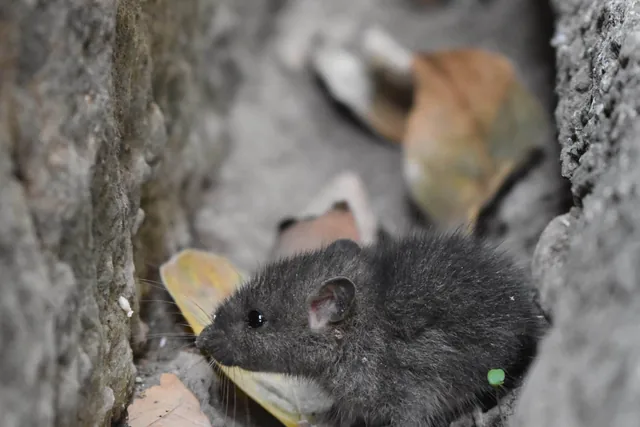
Dime-sized gaps, garage door seals, and the other entry points hiding in plain sight.
Read post →
Trapping, exclusion, and prevention for mice and rats across Leander and greater Austin.
See the service →Free estimate
Whether by phone or by filling out our appointment form, we will help answer your questions, provide you with a free estimate, or get you scheduled for the services you need.
If you’re dealing with termites, rodents, or ongoing pest issues, our team is here to help. Call today to schedule an inspection or get a free estimate.