Understanding the Mosquito: A Guide to its Behavior and Habits
The biology that matters for your yard: breeding water, larval timing, and the layered control approach that works.
Read post →Mosquitoes are everywhere in Austin, roughly March through October and sometimes past it, which makes knowing your enemy worth five minutes of your time. Here is the useful stuff: what they are, who they bite and why, and which backyard tricks actually help.
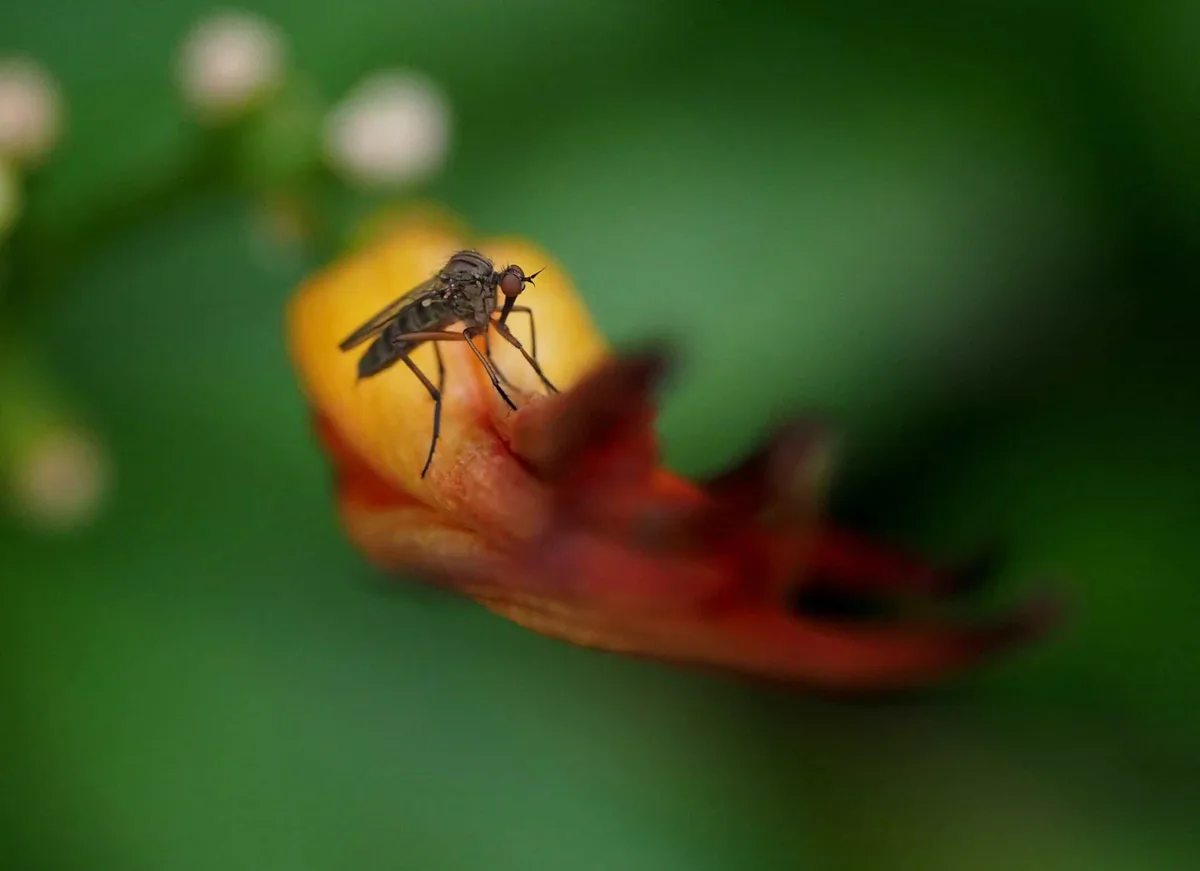
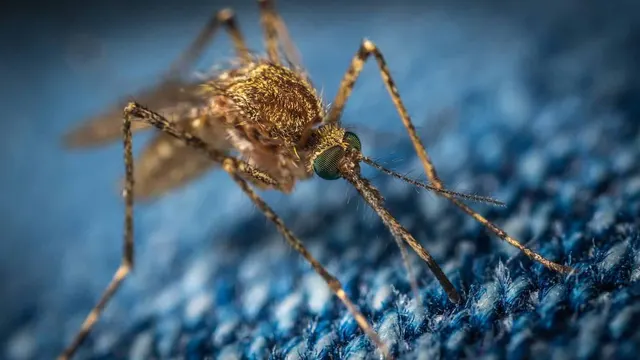
The name means “little fly,” but mosquitoes are not actually flies. There are about 3,500 species worldwide, and between them they manage to be a constant threat just about everywhere people live.
The split that matters is male versus female: only females bite, because they need the blood meal to feed their eggs. A yard full of males would leave you completely alone.
And no, eating sweets does not make you mosquito bait. That one is a myth. What females actually key on is certain blood types and a high heat signature, which is how they pick their hosts out of a crowd. Some people really are tastier targets, just not for the reason the family barbecue thinks.
Everyone knows mosquitoes are annoying. Fewer people appreciate how dangerous they are. They spread a long list of diseases, some life-threatening: Zika, yellow fever, and dengue fever are just the headliners. Measured by the harm they cause, mosquitoes rank among the most dangerous animals on the planet, and no age or health status makes you exempt.
There is a smaller, more common risk too. The itchy welt a bite leaves behind opens up when you scratch it, and open skin can pick up a secondary infection. Some people are also sensitive to mosquito saliva and react badly to bites. Those reactions are rarely severe, but they are miserable enough.
Two things run the show: water and vegetation. Standing water is where females lay eggs, so a small pond, a forgotten bowl, or a drainage problem is an open invitation. Lush growth is the other draw. Tall grass, thick vegetation, and overgrown gardens hold the moisture mosquitoes cannot resist, and give the adults shady places to rest through the heat of the day.
Some DIY genuinely helps. Some of it just smells nice. Here is the honest scorecard:
| DIY approach | Verdict |
|---|---|
| Mow frequently and keep vegetation trimmed | Helps. Removes resting habitat and moisture |
| Fix moisture and drainage problems | Helps. Takes away the nursery |
| Clean up yard debris | Helps. Fewer water-holding hiding spots |
| Plant citronella, basil, and fragrant herbs | Marginal. Makes the yard less appealing, nothing more |
| Store-bought repellent gadgets | Rarely work |
| Heavy DIY bug spraying | Skip it. Can be harmful to your skin and health |
The pattern: making your property less appealing is worth doing, but it will not carry the whole job. Actually controlling the population takes professional treatment.
Call in people who fight mosquitoes for a living. Accurate Termite & Pest Control can answer whatever mosquito questions this page did not, and when you are ready, our ongoing mosquito prevention keeps the pressure off your property all season. Get in touch or call (512) 267-0812 to get started.
More posts
The biology that matters for your yard: breeding water, larval timing, and the layered control approach that works.
Read post →
Faster response, real knowledge of Central Texas pests and conditions, and honest pricing. Why a local Austin pest control company beats a national chain.
Read post →
Fire ant stings put curious dogs and cats at real risk. How to protect the yard and what to do after a sting.
Read post →If you’re dealing with termites, rodents, or ongoing pest issues, our team is here to help. Call today to schedule an inspection or get a free estimate.