Austin's Fire Ant Problem
Why fire ants hit Austin yards so hard, what a sting really does, and the treatment approach that actually reaches the queen.
Read post →Spring rains bring more than wildflowers to Austin lawns. Right behind the blooms come the fire ant mounds, popping up here, there, and everywhere, and if your yard is hosting them, it is because your yard is offering them something. Here is what that something is, and why getting rid of them is harder than it looks.
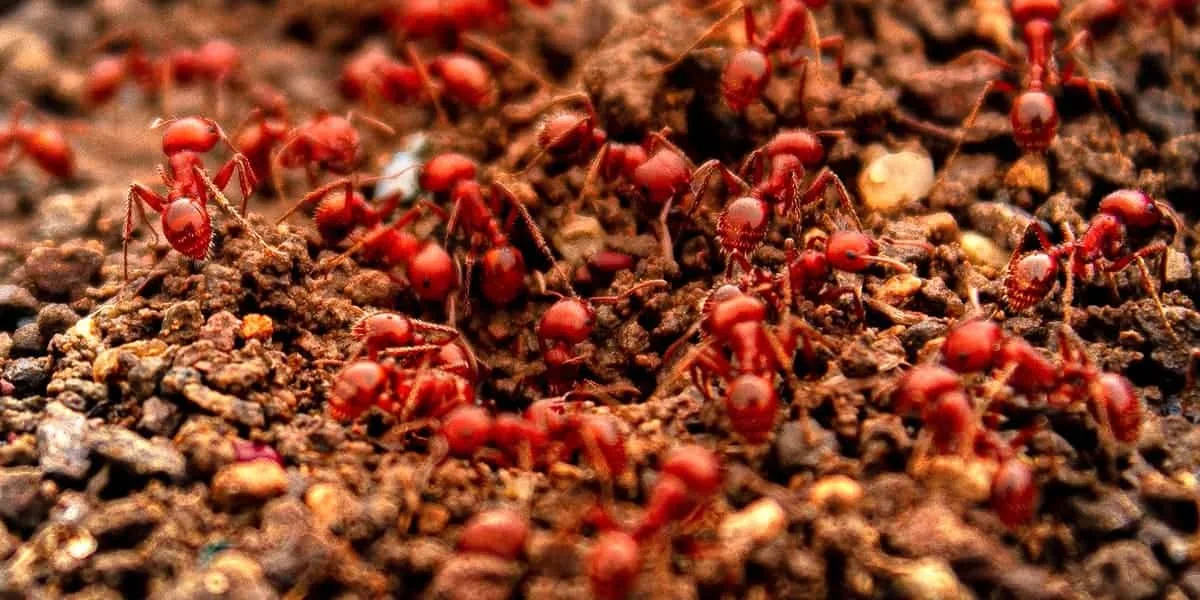
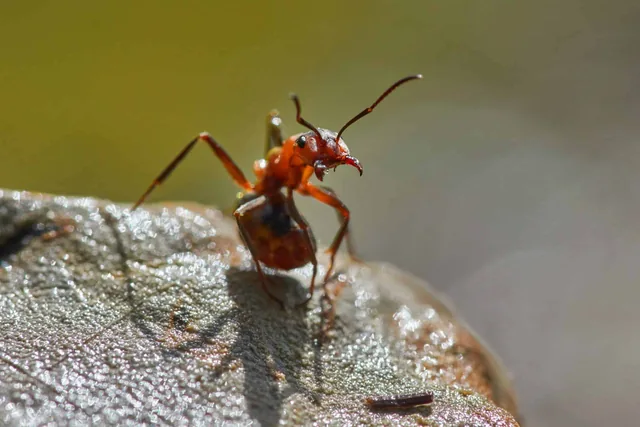
The name is earned. Fire ants deliver a venomous sting with a burn you do not forget, and they are common across the southern United States. You can pick them out by their dark reddish-brown bodies with copper-colored heads and a black rear, oval segmented bodies, six legs, two antennae, and a length between 1/8 and 3/8 of an inch.
They nest in soil, usually close to foundations and landscaping, building flattened, irregular mounds that run two to four square feet. A big mound can house as many as 400,000 fire ants.
Fire ants go where survival is easy: food, water, and comfortable nesting ground. Around your place, that means garbage scraps, pet food stored outside, and oily or greasy foods they can haul back to the colony. They also eat other insects, and in dry weather they have been known to dig into potatoes growing underground.
Getting inside is not much of a challenge for them either. Fire ants slip through the smallest cracks and crevices, and locating and sealing every entry point they could use is close to impossible. That is a big part of why the professional route beats the caulk-gun-and-hope route.
Fire ants are aggressive and fiercely territorial. Disturb a nest even slightly and they respond in force. The sting is intensely painful and raises burning welts that often develop into pustules, and a single ant can sting multiple times. The venom can trigger serious allergic reactions in some people, and a mass attack, where dozens or hundreds sting at once, can be genuinely dangerous and needs medical attention.
That is why we tell people not to take on an active colony bare-handed. The stings are not worth it, and as the next section explains, the colony usually wins anyway.
Beyond the stings, fire ants damage farm crops, building structures, and electrical components in air conditioners, circuit breakers, and farm equipment. And if you have already tried the DIY route, you have probably met the tactics that make them so hard to beat:
Every one of those is a reason DIY treatments knock the problem sideways instead of out.
Accurate Termite & Pest Control is family-owned and family-operated, and our licensed technicians are certified by the Texas Structural Pest Control Board with training every year on top of it. We serve the Austin Metro area with ongoing service that comes free of contracts and stipulations, because we would rather earn your next visit than lock you into it.
Fire ants are notoriously difficult to exterminate, and our fire ant treatments are built to win that fight for the long term, not just knock down this month’s mounds. Contact us today or call (512) 267-0812 for a free fire ant estimate.
More posts
Why fire ants hit Austin yards so hard, what a sting really does, and the treatment approach that actually reaches the queen.
Read post →
Fire ant stings put curious dogs and cats at real risk. How to protect the yard and what to do after a sting.
Read post →
Ant trails in the kitchen mean a colony nearby. Where they come from and how to actually shut them down.
Read post →If you’re dealing with termites, rodents, or ongoing pest issues, our team is here to help. Call today to schedule an inspection or get a free estimate.