Understanding the Mosquito: A Guide to Its Behavior and Habits
The biology that matters for your yard: breeding water, larval timing, and the layered control approach that works.
Read post →Mosquitoes are the most reliable way to ruin an evening outdoors, especially through a hot Central Texas summer. More than 3,000 species exist worldwide, all working the same trade: land on a person or animal, pierce the skin with a sharp, elongated proboscis, and take a blood meal. Even the name undersells them; research traces the word mosquito to Spanish and Portuguese roots meaning little fly. Here is what these little flies really are, why they are worth taking seriously, and why professional control beats the shelf at the hardware store.
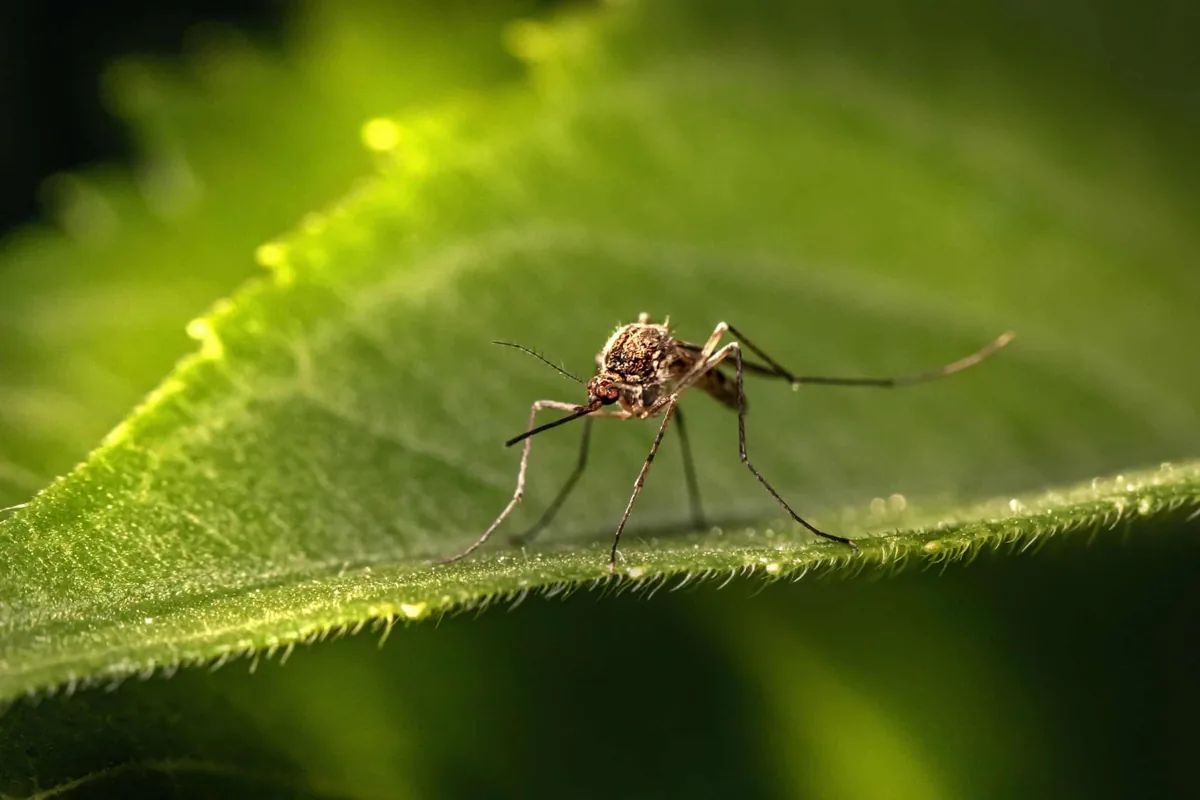
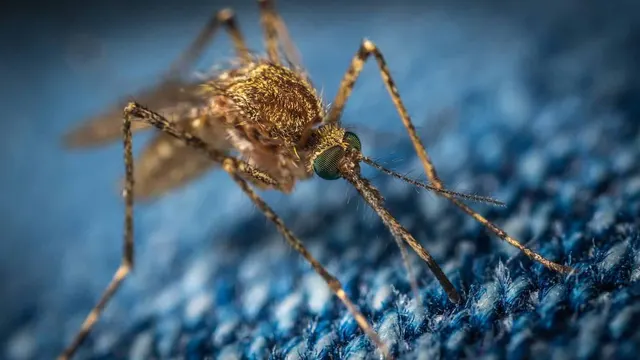
A few basics help frame the problem. Mosquitoes can act as vectors, meaning creatures capable of spreading harmful pathogens. Only the females bite, because blood provides the protein their eggs need; males stick to nectar and other plant material. Adults run roughly ¼ to ½ inch long, usually in shades of brown or gray, with one pair of wings, a slender body, and long legs that dangle in flight. And they thrive in exactly the hot, humid conditions an Austin summer serves up. If they have become a real concern on your property, a licensed expert in pest control in Austin can determine the best way to keep them off it.
Credit where due: for all the aggravation, mosquitoes hold a real place in the food web. They feed fish, birds, bats, and frogs, and the nectar-drinking males even pollinate certain plants along the way. The goal of mosquito control is not erasing them from the map. It is keeping their numbers on your property low enough that you get to use it.
Are mosquitoes dangerous? Yes. The immediate cost of a bite is the reaction to the mosquito’s saliva: a red bump that itches and stays irritated for days. The bigger cost is what can travel with the bite. As mosquitoes move between individuals, they can spread malaria, dengue fever, the Zika virus, and a long list of other serious health concerns, which is why public health agencies at every level run mosquito reduction and education programs across the U.S.
Some people have more at stake than others. Children, people without previous exposure to mosquitoes, and anyone with a weakened immune system can react more severely to bites. If you are bitten, wash the area promptly with soap and water; ice helps limit swelling, and a paste of baking soda and water can calm the itch. Pets and livestock are not exempt either, since mosquitoes can expose dogs, horses, and other animals to heartworms and eastern equine encephalitis.
As for keeping them off you in the first place: applying 0.5% permethrin to clothing and gear before hiking, camping, or canoeing keeps most mosquitoes at a distance, and long sleeves and full-length pants shrink the target. Remember that activity peaks in the hours around dawn and dusk, and plan accordingly.
Walk the pest aisle or scroll a retailer and you will find shelves of mosquito products marketed with phrases like highly effective and simple and easy. What most of them deliver is prolonged frustration, because the mass-market options rarely produce the results the packaging promises:
| DIY product | Why it disappoints |
|---|---|
| Aerosol sprays | Brief knockdown, no effect on the breeding source |
| Consumer fogging devices | Mediocre coverage and short-lived results |
| Traps | Catch some adults while the population keeps reproducing |
| Electronic zappers | Gimmick; kills more moths than mosquitoes |
| Ultrasonic devices | No real evidence they repel anything |
| Repellent lanterns | Small radius, ineffective across a yard |
The pattern is the same across the table: these products chase adult mosquitoes one evening at a time while the breeding cycle runs untouched. The approach experts recommend is a consultation with a qualified pest control professional who has the training, the equipment, and treatment options that actually reach the source.
The specialists at Accurate Termite and Pest Control run a comprehensive, two-layer approach that gets results. The first layer is the In2Care® Mosquito Trap System, which uses a larvicide to shut down mosquito development where the eggs are laid; a female that visits a trap carries the active ingredient to the other breeding spots around your property. The second layer is fogging treatment for the adult population, applied in a targeted way with your landscape in mind.
Source control plus adult knockdown is the combination the DIY shelf cannot match. Contact our office today to schedule an onsite property inspection, or call (512) 267-0812 and take your yard back.
More posts
The biology that matters for your yard: breeding water, larval timing, and the layered control approach that works.
Read post →
The diseases at stake, the yard conditions mosquitoes love, and why store-bought products keep disappointing.
Read post →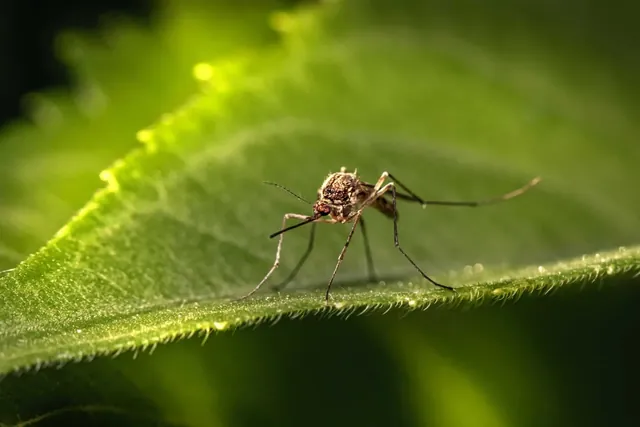
Standing water is the whole game. The Asian tiger mosquito, the problems you did not know about, and prevention made simple.
Read post →If you’re dealing with termites, rodents, or ongoing pest issues, our team is here to help. Call today to schedule an inspection or get a free estimate.