The Problem With Squirrels Hanging Around Your Austin Property
The damage, disease, and noise squirrels bring to Austin homes, and the prevention steps that keep them out.
Read post →Scurrying overhead in the early morning is almost always squirrels. Heavy thumping after dark is a raccoon. Light, fast scratching along the ceiling late at night is rats or mice. In Central Texas the traffic into attics picks up as the weather turns colder, and the first weeks of it are the cheapest time to deal with it.
This guide covers how to tell the animals apart by sound and timing, when they move in around Leander and Austin, how they get in, what each one does to the house, and what Texas law lets a homeowner do about it. Bats get a short section of their own, because the rules are different.
Timing narrows the list faster than anything else. Match the sound to the clock:
| Sound and time | Most likely |
|---|---|
| Scurrying, rolling, or gnawing in the early morning and late afternoon | Squirrels. Texas Parks and Wildlife notes fox squirrels are usually active early in the morning and late in the afternoon. |
| Heavy thumping, dragging, or slow footsteps after dark | Raccoons, which are almost exclusively nocturnal. Mewing or chittering with it usually means a litter. |
| Light, fast scratching or scurrying along the ceiling after sunset and before dawn | Rats or mice. Roof rats are climbers that nest in attics and double walls. |
| Squeaking or chittering at dusk and dawn with no footsteps, plus droppings below one spot outside | Bats, most often Mexican free-tailed bats. See the bat section below. |
| Chirping and fluttering in daylight near a vent | Birds nesting in a vent or under the eave. |
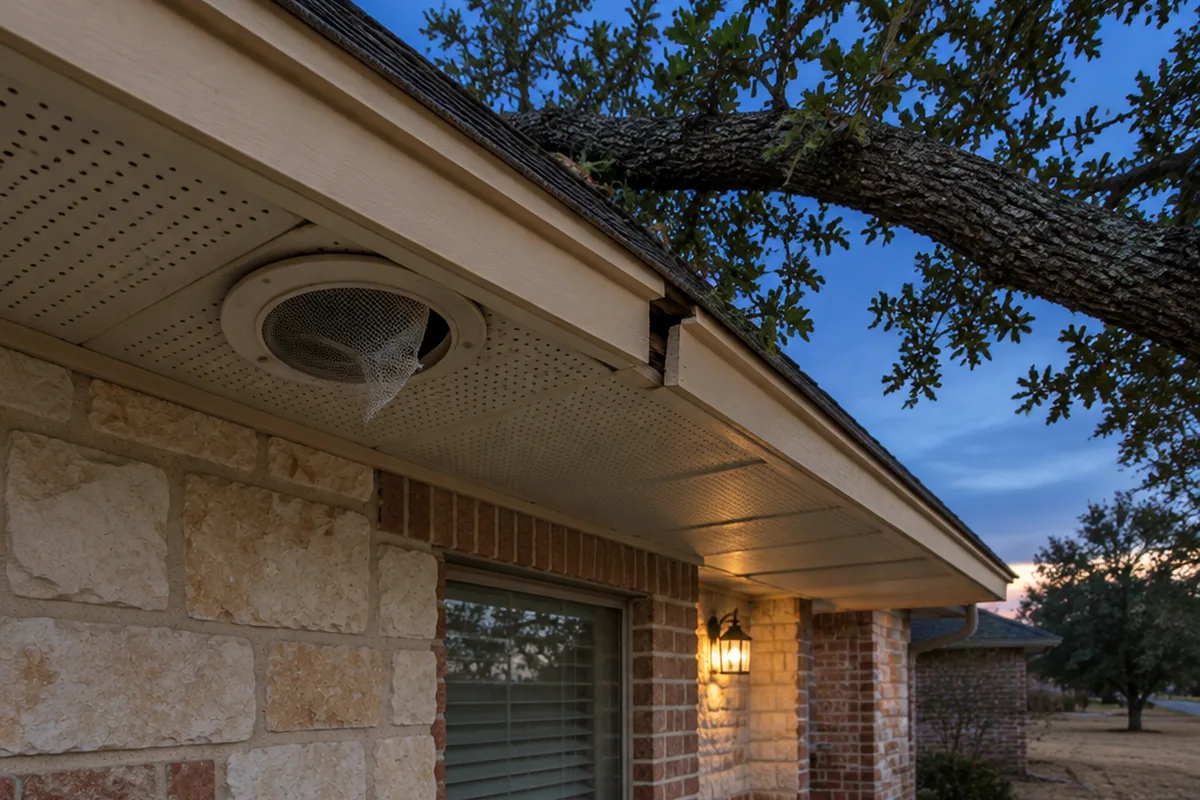
Sound alone does not settle it, but it tells you where to look. The entry point and the evidence around it usually confirm the animal: torn vents and pushed-out soffits point to raccoons, gnawed gaps at the roofline point to squirrels, and dime-sized holes with greasy rub marks point to rodents.
The short answer is now. Texas A&M AgriLife Extension's Janet Hurley put it plainly in a cold-weather advisory: this time of year, squirrels, as well as raccoons, will try to make nests in attics, and homeowners can expect to see more mice as the weather turns colder.
Each animal has its own route, and the route is what decides how it gets removed.
A walk around the roofline with a flashlight at dusk, looking for torn screens, daylight through the soffit, and limbs touching shingles, finds most entry points before an animal does.
Raccoons are the one to take seriously. They are a primary rabies carrier in Texas and can spread canine distemper, leptospirosis, and raccoon roundworm, a parasite whose eggs survive in soil for years and can infect people and pets. Their droppings pile up in one spot in the attic, and that latrine is where the roundworm risk lives, so do not sweep it up yourself.
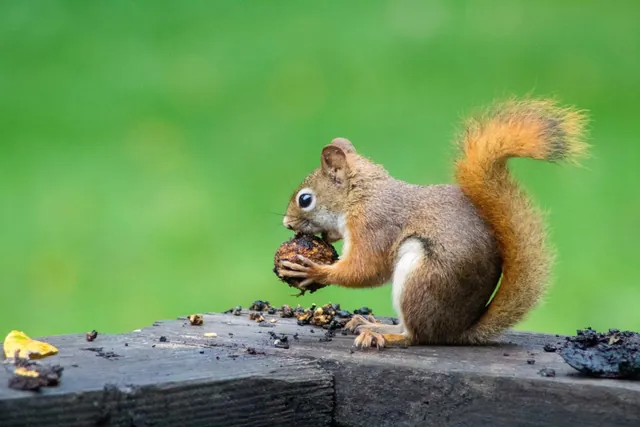
Squirrels are rodents, and their teeth never stop growing. They gnaw wood, storage boxes, plastic, and electrical wiring, and rodents chewing through wires is a known cause of house fires. They pack the attic with flammable nesting material on top of it.
Rats and mice gnaw wiring and rafters, contaminate insulation, and leave droppings, grease marks, and the smell that eventually comes through the ceiling. Their numbers grow fast indoors, since house mice breed year round when conditions are right.
This is where most homeowners get surprised. Three sets of rules apply:
In practice that means the live trap in the garage is only half a plan. The lawful, humane path is removal by someone licensed for it, followed by exclusion so the next animal does not move into the vacancy. That is how we handle it: an entry-point assessment, then live traps or one-way doors, then the entry points sealed once every animal is out.
Bats are the exception to almost everything above. They do not chew their way in, they use existing gaps, and the colony you hear at dusk is likely a maternity colony from spring through summer. AgriLife's guidance is that exclusion should be done in early spring, before maternity season, or in the fall after August, once the young can fly. Exclude a colony in June and the adults leave while the pups stay behind and die inside the walls. Bats are not on our removal list; if you have them, call a bat-specific operator and plan the work for the right season.
Accurate Termite and Pest Control handles raccoons, squirrels, opossums, skunks, snakes, and ringtail cats across Leander and greater Austin, with live trapping and one-way doors, never poison for wildlife, and an exclusion estimate as part of the service. Rats and mice go through our rodent control program in Leander and Austin. Call (512) 267-0812 for a free estimate.
Quick answers
Almost always squirrels. Fox squirrels are active early in the morning and late in the afternoon, so scurrying and gnawing in daylight points to them. Birds nesting in a vent are the other daytime possibility.
Heavy thumping or dragging after dark is a raccoon, which is almost exclusively nocturnal. Light, fast scratching along the ceiling late at night is rats or mice. Squeaking at dusk with no footsteps is bats.
Yes for a homeowner. Texas rabies rules make it a Class C misdemeanor to transport a live raccoon, fox, skunk, or coyote anywhere in the state, and relocating any nuisance fur-bearer requires Texas Parks and Wildlife authorization. Licensed pest management professionals are exempt within strict limits.
Only once you are certain nothing is inside. Sealing an entry point with an animal or a litter still in the attic traps it in the house, and a trapped raccoon or squirrel chews or tears its way out through whatever is closest. Exclusion comes after removal.
As the weather turns colder in the fall. Texas A&M AgriLife Extension notes that squirrels and raccoons try to make nests in attics at that time of year and that mice become more common indoors as temperatures drop. Squirrels then raise litters starting in late winter.
More posts
The damage, disease, and noise squirrels bring to Austin homes, and the prevention steps that keep them out.
Read post →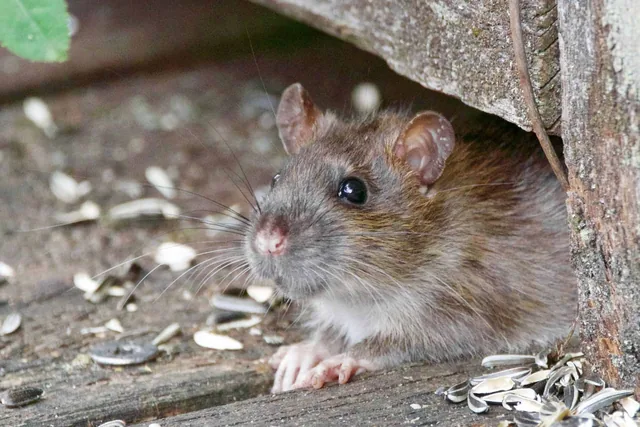
Why rodent pressure doesn’t end with winter in Central Texas, and the seasons when infestations spike.
Read post →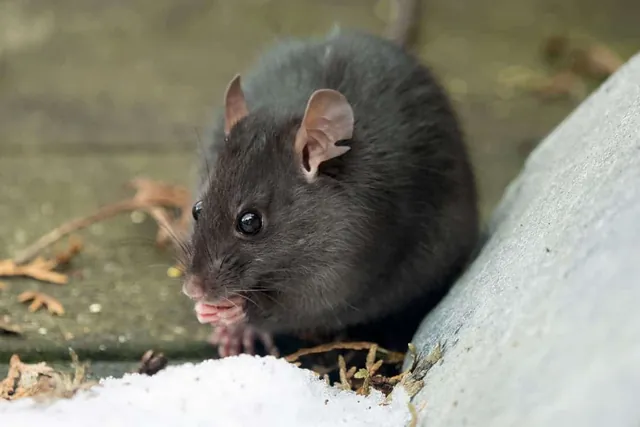
The sealing, inspection, and cleaning steps that keep winter pests out, and when to call a pro.
Read post →If you’re dealing with termites, rodents, or ongoing pest issues, our team is here to help. Call today to schedule an inspection or get a free estimate.